
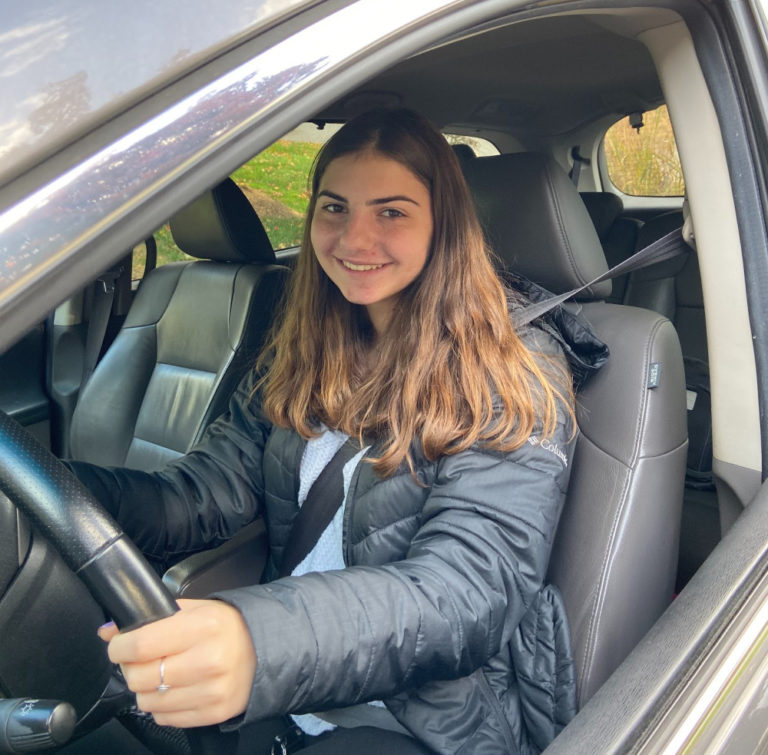
The calendar says winter is coming, but that first snowflake often catches us unprepared, especially when we're focused on teaching our teens to drive. It’s nerve-wracking enough handing over the keys, but adding snow and ice to the mix? That can send any parent's anxiety through the roof.
Winter driving requires a different set of skills, awareness, and vehicle preparation. Equipping your teen with the knowledge to handle icy conditions can be the difference between a safe trip and a dangerous accident. Remember, even with parent-supervised driving, winter roads amplify the risks for inexperienced drivers. So, let’s tackle how to prepare your teen—and your vehicle—for the challenges of winter driving.
Winter Driving Preparation: A Parent's Guide
The first step is understanding the specific demands of winter driving and adjusting your teaching approach accordingly. Many accidents involving new drivers during the winter months aren’t due to blatant recklessness, but rather a lack of experience and knowledge about how vehicles respond in slippery conditions. This is where parent driver education plays a crucial role.
Mistake #1: Neglecting Vehicle Preparation
It's easy to overlook the essentials when you're busy juggling schedules. But a well-maintained vehicle is paramount for winter safety.
The Solution: Involve your teen in a thorough winter vehicle check.
Instead of just telling your teen to check the tire pressure, make it a hands-on lesson. Show them how to check tire pressure using a gauge and explain the importance of proper inflation in cold weather (tire pressure decreases as temperatures drop). Discuss the tread depth needed for optimal grip on snow and ice; a simple penny test can illustrate this.
Next, inspect all fluids together. Open the hood (under your supervision, of course!) and check the levels of antifreeze, brake fluid, power steering fluid, and windshield washer fluid. Make sure the windshield washer fluid is specifically designed for winter use; the regular kind can freeze and damage the reservoir and lines.
Finally, ensure your headlights, taillights, brake lights, and turn signals are all working properly. Visibility is often reduced in winter, so functioning lights are essential. A teen driver checklist should include a vehicle inspection before each drive.
Teaching your teen these vehicle maintenance basics fosters a sense of responsibility and prepares them for independent vehicle ownership down the road. It’s a tangible way to emphasize the importance of safe driving habits for teens.
People Also Ask: How often should I check my car’s fluids in the winter? What kind of tires are best for winter driving? Should I let my teen drive in the snow right away?
Mistake #2: Ignoring the "Feel" of Winter Driving
Teens often rely on instinct and reaction time, which can be unreliable on icy surfaces. They haven't developed the "feel" for how a car behaves in slippery conditions.
The Solution: Controlled Skid Practice (in a safe environment).
Find a large, empty parking lot covered in snow or ice. Emphasize that this practice should only be done under your direct supervision and when the area is completely free of obstacles and other vehicles.
Start with low speeds (around 10-15 mph). Have your teen gently accelerate and then brake to get a feel for how the car responds. Encourage them to notice the difference in braking distance compared to dry pavement.
Next, demonstrate and then let them practice controlled skids. Initiate a skid by turning the steering wheel sharply while gently accelerating (again, at very low speeds). The goal is to feel the car lose traction. Coach them to steerin the directionof the skid (the opposite of what feels natural) and gently ease off the accelerator and brake.
This exercise teaches valuable lessons about vehicle dynamics and the importance of controlled steering and braking. Emphasize that the techniques learned in the parking lot are not meant to be applied on public roads, but rather to build awareness and improve reaction time. Explain that graduated driver licensing (GDL) programs often encourage winter driving education and offer advanced driving courses.
Mistake #3: Downplaying the Importance of Speed and Following Distance
Teens are often overconfident and tend to drive at the same speed regardless of road conditions. They may also underestimate the stopping distance required on snow and ice.
The Solution: Implement the "Double or Triple" Rule.
On dry pavement, a safe following distance is typically considered to be 3 seconds behind the vehicle in front. In winter conditions, that distance needs to be significantly increased.
Teach your teen the "double or triple" rule: double the following distance in light snow or ice, and triple it in heavier conditions. Explain that this extra space provides crucial time to react to unexpected events, such as sudden stops or skidding vehicles.
Use visual cues to help your teen estimate following distance. Pick a stationary object, such as a sign or a tree, and have them start counting when the vehicle in front passes that object. If they reach the object in less than 6 seconds (for light snow) or 9 seconds (for heavy snow), they are following too closely.
Reinforce the importance of reducing speed in winter. Explain that speed limits are designed for ideal conditions, and that drivers should always adjust their speed to match the road conditions. Driving slower not only reduces the risk of skidding, but also gives them more time to react to hazards. Parent-supervised driving should emphasize adapting to road conditions, not just obeying speed limits.
Mistake #4: Not Planning for the Worst-Case Scenario
Many teens (and even adults!) don't think about what to do if they get stranded in their car during a winter storm.
The Solution: Create a Winter Emergency Kit.
A winter emergency kit is a crucial addition to any vehicle, especially for new drivers. It should include essentials such as:
A blanket or sleeping bag
A flashlight with extra batteries
A first-aid kit
Jumper cables
A shovel
Sand or kitty litter (for traction)
A cell phone charger
Water and non-perishable snacks
An ice scraper and snow brush
A brightly colored cloth or distress flag
Go through the contents of the kit with your teen and explain how to use each item. Discuss scenarios in which they might need to use the kit, such as getting stranded in a snowdrift or experiencing a flat tire.
Teach them the importance of staying in the vehicle if stranded and calling for help. Emphasize that wandering away from the vehicle can be dangerous, especially in severe weather. Remind them to conserve cell phone battery and to run the engine sparingly to stay warm, while ensuring proper ventilation to avoid carbon monoxide poisoning.
People Also Ask: What should I do if my car starts skidding on ice? How can I prevent my windshield from fogging up in the winter? Is it safe to drive with cruise control in snowy conditions?
Mistake #5:Relying Too Heavily on Technology
While modern vehicles are equipped with advanced safety features like anti-lock brakes (ABS) and electronic stability control (ESC), teens may mistakenly believe these systems make them invincible.
The Solution: Understand the Limitations of Technology.
Explain to your teen how ABS and ESC work and what they are designed to do. ABS prevents the wheels from locking up during braking, allowing the driver to maintain steering control. ESC helps to prevent skidding by automatically applying brakes to individual wheels.
However, emphasize that these systems are not a substitute for safe driving practices. They can help in certain situations, but they cannot overcome the laws of physics. Explain that ABS and ESC can actuallyincreasestopping distance on snow and ice if not used properly. Teach them to apply firm, steady pressure to the brake pedal when ABS is activated (avoid pumping the brakes).
Furthermore, remind them that four-wheel drive (4WD) and all-wheel drive (AWD) systems provide better traction for acceleration, but they do not improve braking or steering performance on ice.
The key is to ensure your teen understands the capabilities and limitations of the vehicle's safety features. Promote a balanced approach: appreciate the technology, but always prioritize safe driving habits for teens and responsible decision-making.
Mistake #6: Neglecting Mental Preparation
Winter driving can be stressful, even for experienced drivers. Anxiety and panic can impair judgment and reaction time, especially for new drivers.
The Solution: Practice Calm and Focused Driving.
Before heading out in winter conditions, talk to your teen about the potential challenges they may face. Acknowledge their anxieties and reassure them that you are there to support them.
Encourage them to take deep breaths and maintain a calm demeanor while driving. Remind them to focus on the task at hand and avoid distractions, such as cell phones or loud music.
Teach them to anticipate potential hazards and to plan their actions accordingly. For example, if they see a patch of ice ahead, encourage them to slow down gradually and avoid sudden steering or braking maneuvers.
Most importantly, empower them to make safe decisions. If they feel uncomfortable driving in certain conditions, encourage them to pull over and wait for the weather to improve or to call for a ride. Instilling a sense of agency and self-awareness is crucial for teen road safety tips.
Teaching your teen to drive in winter conditions requires patience, understanding, and a willingness to adapt your teaching methods. By addressing these common mistakes and implementing practical solutions, you can equip your teen with the knowledge and skills they need to navigate winter roads safely and confidently. Remember, every practice session is a step toward safer driving habits for teens, fostering confidence and experience behind the wheel. The key is gradual exposure and constant communication – together, you and your teen can conquer the challenges of winter driving!