
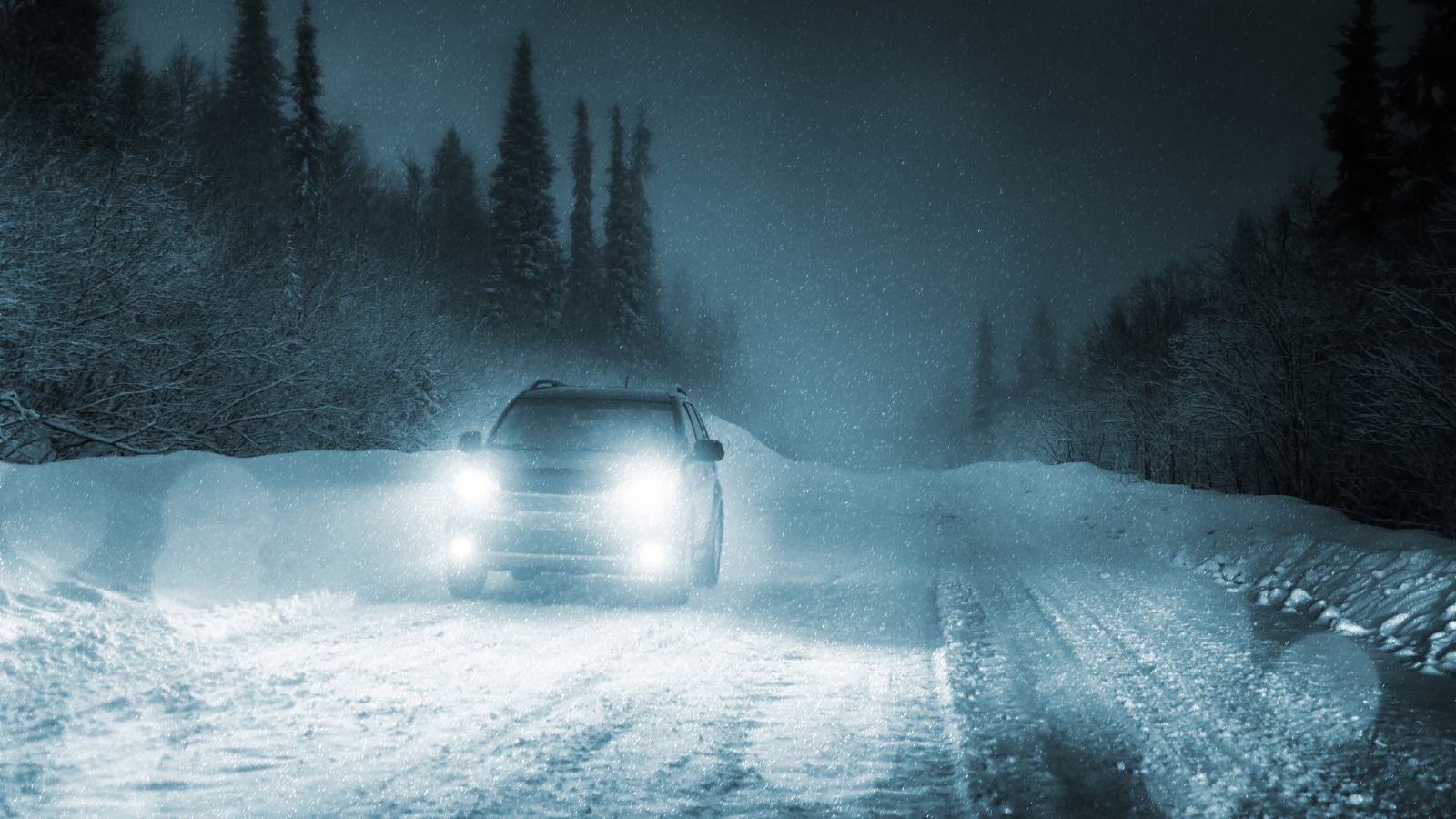
The sudden bite of winter air can be a stark reminder that driving conditions are about to change. We've all been there: squinting through a snow-streaked windshield, the world outside a blurry white. Or maybe you’ve experienced the sinking feeling of a car that justwon'tstart on a frigid morning. Winter driving, especially at night, demands a different level of preparation and awareness.
Preparing your vehicle for winter isn't just about convenience; it's about safety and peace of mind. A well-maintained car is less likely to break down in sub-zero temperatures, and properly equipped tires can be the difference between safely navigating a snowy turn and sliding into a ditch. Investing a little time and effort now can save you from potentially dangerous situations, expensive repairs, and the sheer stress of being stranded in the cold. Driving with confidence, knowing your car is ready for whatever winter throws your way, is invaluable.
One quick action you can takeright nowis to check your tire pressure. Cold temperatures cause tire pressure to drop, which can negatively affect handling and fuel efficiency. Consult your owner’s manual or the sticker on your driver’s side doorjamb for the recommended pressure and adjust accordingly. Even this small step can make a noticeable difference in your car's performance.
Navigating the Night: Why Winter Driving is Different
Winter nights present a unique set of challenges for drivers. Reduced visibility is the most obvious, but the interplay of darkness and winter weather creates a more complex and potentially hazardous environment. Consider the combined effect of snowfall, ice, and limited daylight hours. These factors can significantly impair your ability to see and react to hazards, making every drive more demanding.
Firstly, darkness reduces visual acuity. Our eyes naturally struggle in low-light conditions, and this struggle is compounded by the glare from headlights reflecting off snow and ice. This glare can create a "whiteout" effect, making it difficult to distinguish road markings, other vehicles, or pedestrians. Secondly, snow and ice accumulate faster at night, as temperatures tend to drop. Black ice, a particularly treacherous condition, is almost invisible and often forms overnight. Finally, decreased daylight hours mean that you're more likely to be driving during peak commuting times in the dark, increasing the overall traffic density and the potential for accidents.
What makes black ice so dangerous?
Black ice is a thin, virtually transparent layer of ice that forms on road surfaces. It's incredibly difficult to see, making it almost impossible to anticipate. It typically forms when temperatures hover around freezing, and a thin layer of water freezes on the pavement. Because it blends seamlessly with the road, drivers often don't realize they're on black ice until it's too late, leading to sudden loss of control and potentially serious accidents. Awareness and extremely cautious driving are the best defenses against black ice.
Preparing Your Vehicle: A Winter Checklist
A comprehensive winter car check-up goes beyond just topping off fluids. It's about ensuring every critical component is ready to perform in harsh conditions. Think of it as preventative maintenance designed to keep you safe and your car running smoothly throughout the winter months. Here's a detailed checklist to guide you: Battery Check:Cold weather significantly reduces battery performance. Have your battery tested to ensure it can handle the demands of winter starting. If your battery is more than three years old, consider replacing it preemptively. Cleaning any corrosion from the battery terminals is also a good idea.
Tire Inspection: Check your tire tread depth. Adequate tread is essential for maintaining traction on snow and ice. Use a tire tread depth gauge or the penny test (if you can see the top of Lincoln’s head when you insert a penny upside down into the tread, it's time for new tires). Consider winter tires if you live in an area with frequent snow and ice.
Fluid Levels: Check and top off all essential fluids, including engine oil, coolant, brake fluid, power steering fluid, and windshield washer fluid. Use a winter-specific windshield washer fluid that won't freeze. Ensure your coolant is at the correct concentration to prevent freezing.
Lights and Wipers: Inspect all lights, including headlights, taillights, brake lights, and turn signals. Replace any burned-out bulbs. Check your windshield wipers for wear and tear. Replace them if they're streaking or not clearing the windshield effectively.
Brakes: Have your brakes inspected by a qualified mechanic. Winter conditions put extra stress on your braking system, and worn brakes can significantly increase stopping distances.
Belts and Hoses: Inspect belts and hoses for cracks, wear, or leaks. Cold weather can cause these components to become brittle and fail.
What temp is too cold for my car?
There's no single "too cold" temperature, but consistently sub-freezing temperatures can put a strain on your vehicle. Batteries, in particular, struggle in the cold, and oil can thicken, making it harder to start the engine. It's wise to be extra vigilant about maintenance and preparation when temperatures consistently drop below 20°F (-7°C). Block heaters can be helpful in extremely cold climates to keep the engine warm.
Essential Winter Driving Techniques: Mastering the Road
Even with a well-prepared vehicle, adapting your driving habits to winter conditions is crucial. Driving safely in snow and ice requires patience, awareness, and a willingness to adjust your approach. It's about understanding the limitations of your vehicle and the road conditions.
Reduce Speed: This is the most important thing you can do. Drive significantly slower than you would in dry conditions. Speed limits are designed for ideal conditions; adjust accordingly.
Increase Following Distance: Allow for much greater stopping distances on snow and ice. A good rule of thumb is to double or even triple your normal following distance.
Brake Gently: Avoid sudden braking, which can cause your wheels to lock up and lead to a skid. Apply the brakes smoothly and gradually. If your car has anti-lock brakes (ABS), let the system do its work; don't pump the brakes.
Steer Smoothly: Avoid jerky steering movements. Steer gently and deliberately. If you start to skid, steer in the direction of the skid.
Be Aware of Your Surroundings: Scan the road ahead for potential hazards, such as black ice, snowdrifts, or other vehicles. Pay attention to the behavior of other drivers.
Avoid Cruise Control: Cruise control can be dangerous on slippery surfaces, as it can cause the wheels to spin if they lose traction.
Building an Emergency Roadside Kit: Be Prepared for Anything
An emergency roadside kit is an essential safety net, especially during winter. It's about being self-sufficient in case you get stranded or encounter unexpected delays. A well-stocked kit can provide comfort, warmth, and the tools you need to handle minor issues.
Here's a list of essential items to include in your winter emergency kit: Jumper Cables: A must-have for jump-starting a dead battery. First-Aid Kit: Include bandages, antiseptic wipes, pain relievers, and any personal medications. Warm Blanket: Essential for staying warm if you get stranded. Flashlight with Extra Batteries: For visibility in the dark. Ice Scraper and Snow Brush: To clear your windshield and windows. Shovel: A small, foldable shovel can be helpful for digging out of snow. Sand or Kitty Litter: To provide traction if your wheels are spinning. Snacks and Water: Non-perishable food and water to stay hydrated and energized. Cell Phone Charger: To keep your phone charged. Warning Flares or Reflective Triangles: To alert other drivers if you're stopped on the side of the road. Multi-Tool:A versatile tool with various functions, such as a knife, pliers, and screwdriver.
Do I need snow tires in mild winters?
Even in areas with mild winters, snow tires can provide a significant safety advantage if you encounter occasional snow or ice. They offer superior grip and braking performance compared to all-season tires in cold weather conditions. Consider your local climate and driving habits when deciding whether to invest in snow tires. If you frequently drive in areas prone to snow or ice, even for short periods, snow tires are a worthwhile investment.
Winter Tire Maintenance: Extending Their Lifespan
If you invest in winter tires, proper maintenance is crucial to maximizing their lifespan and performance. Winter tires are designed with a softer rubber compound that provides better grip in cold temperatures, but this also means they can wear down more quickly if not properly cared for.
Here are some essential tips for winter tire maintenance: Monitor Tire Pressure:Regularly check and maintain the correct tire pressure. Cold temperatures can cause tire pressure to drop, so check it more frequently during the winter months.
Rotate Your Tires: Rotate your winter tires according to the manufacturer's recommendations. This helps to ensure even wear and extend their lifespan.
Store Tires Properly: When you're not using your winter tires, store them in a cool, dry place away from direct sunlight. Clean them before storing to remove any dirt or debris.
Avoid Aggressive Driving: Harsh acceleration, braking, and cornering can wear down your tires more quickly. Drive smoothly and avoid aggressive maneuvers.
Inspect Regularly: Regularly inspect your tires for signs of wear and tear, such as cuts, bulges, or uneven tread wear. Have them inspected by a qualified tire technician if you notice any problems.
Taking the time to properly maintain your winter tires will not only extend their lifespan but also ensure they provide the best possible performance and safety throughout the winter season.
Understanding Cold Weather Car Tips: Beyond the Basics
Beyond the immediate preparations, there are several advanced tips that can further enhance your winter driving experience and protect your vehicle from the harsh effects of cold weather. These tips involve a deeper understanding of how cold temperatures impact your car's various systems and components.
Consider a Block Heater: In extremely cold climates, a block heater can be a valuable investment. It helps to keep the engine warm, making it easier to start and reducing wear and tear on the engine components.
Use Synthetic Oil: Synthetic oil flows more easily at low temperatures than conventional oil, providing better lubrication and protection during cold starts.
Protect Your Windshield: Apply a windshield treatment that repels water and ice. This can improve visibility and make it easier to scrape off ice and snow.
Inspect and Maintain Your Exhaust System: A properly functioning exhaust system is essential for safety and performance. Check for leaks or damage, and have any issues repaired promptly.
Be Mindful of Salt and Road De-Icers: While salt and road de-icers are effective at melting snow and ice, they can also be corrosive to your car's undercarriage. Regularly wash your car to remove salt and de-icer residue.
By implementing these advanced cold weather car tips, you can further protect your vehicle from the damaging effects of winter and ensure it performs optimally in even the harshest conditions.
Staying Informed: Black Ice Awareness and Weather Monitoring
Knowledge is power, especially when it comes to winter driving. Staying informed about weather conditions and being aware of the dangers of black ice can significantly reduce your risk of accidents.
Check the Weather Forecast: Before heading out, check the weather forecast for your route. Pay attention to warnings about snow, ice, and freezing temperatures.
Monitor Road Conditions: Check local traffic reports and road condition websites for updates on road closures, accidents, and hazardous driving conditions.
Be Aware of Black Ice Hotspots: Black ice tends to form in areas that are shaded or where water can accumulate, such as bridges, overpasses, and intersections. Be extra cautious when driving in these areas.
Learn to Recognize Black Ice: Black ice is often invisible, but it can sometimes appear as a slightly darker or wetter patch on the road surface. If you suspect you're on black ice, avoid sudden braking or steering and gently ease off the gas.
By staying informed about weather conditions and being aware of the dangers of black ice, you can make more informed decisions about your driving and take steps to mitigate the risks.
Remember, winter driving at night requires a proactive approach. It's not just about reacting to the conditions; it's about anticipating them and preparing accordingly. Each step you take, from checking your tire pressure to building an emergency kit, adds a layer of protection and confidence. Take things one step at a time. You've got this! Safe travels.