
That first snowfall always seems to catch us a little off guard, doesn't it? One minute you're enjoying the crisp autumn air, and the next you're staring out the window at a blanket of white. While winter's beauty is undeniable, its arrival signals a shift in driving conditions that demands respect and preparation, especially for those of us behind the wheel of a pickup truck.
Preparing your pickup for winter isn’t just about convenience; it's about safety, reliability, and the confidence to navigate challenging road conditions. A well-maintained truck equipped for winter will handle snow, ice, and freezing temperatures far more predictably, reducing your risk of accidents and breakdowns. Plus, knowing you've taken the necessary steps to protect yourself and your vehicle provides peace of mind, allowing you to focus on the road ahead, not on potential problems lurking around the corner.
Before the flakes really start to fly, take a moment to double-check your windshield wiper fluid. Make sure you've swapped out your summer blend for a winter formula that won't freeze on contact with your windshield. A clear view is essential in winter driving, and the right fluid can make all the difference.
Preparing Your Pickup for Winter's Challenges
Winter presents a unique set of challenges for pickup truck drivers. Their higher center of gravity and rear-wheel-drive configurations (common in many trucks) can make them more susceptible to skidding and losing control on slick surfaces. However, with careful preparation and mindful driving habits, you can confidently navigate winter roads.
Winter Tires: Are They Worth the Investment?
For many pickup truck owners, the question of winter tires is a recurring debate. All-season tires offer a degree of versatility, but they simply can't match the performance of dedicated winter tires in snow and ice. Winter tires feature a unique tread pattern designed to grip snow and ice, along with a rubber compound that remains pliable in freezing temperatures. If you live in an area with significant snowfall and icy conditions, investing in winter tires is a worthwhile investment in your safety. The improved traction and braking performance can dramatically reduce your stopping distance and improve your overall control in challenging conditions.
Checking Your Battery Health
Cold weather is notoriously hard on car batteries. A battery that’s already weak in warmer months can fail completely when temperatures plummet. Before winter arrives, have your truck's battery tested by a professional. Many auto parts stores offer free battery testing services. If your battery is nearing the end of its lifespan (typically 3-5 years), consider replacing it proactively to avoid being stranded in the cold. Also, ensure that your battery terminals are clean and free of corrosion, as this can also hinder performance.
Essential Winter Maintenance for Your Pickup
Beyond tires and batteries, several other maintenance tasks are crucial for winterizing your pickup truck. These steps will help ensure that your vehicle runs smoothly and reliably throughout the winter months.
The Importance of Fluid Checks
Regularly checking your truck's fluids is especially important in winter. In addition to windshield wiper fluid, pay attention to your engine oil, coolant, brake fluid, and power steering fluid.
Engine Oil: Use the correct viscosity oil for cold weather. Thicker oil can become sluggish in low temperatures, making it harder for your engine to start. Coolant: Ensure your coolant is at the proper concentration to prevent freezing in sub-zero temperatures. Brake Fluid: Check your brake fluid level and condition. Old or contaminated brake fluid can compromise your braking performance. Power Steering Fluid: Low power steering fluid can make steering more difficult, especially in cold weather.
Inspecting Belts and Hoses
Cold temperatures can cause belts and hoses to become brittle and crack. Inspect all belts and hoses for signs of wear, such as cracks, fraying, or swelling. Replace any that appear damaged. A broken belt or hose can lead to a breakdown and leave you stranded in the cold.
Checking Your Lights
Visibility is crucial in winter driving. Ensure that all of your truck's lights are working properly, including headlights, taillights, brake lights, turn signals, and fog lights (if equipped). Clean your headlights regularly to remove dirt and grime, which can reduce their brightness.
Safe Driving Techniques for Winter Conditions
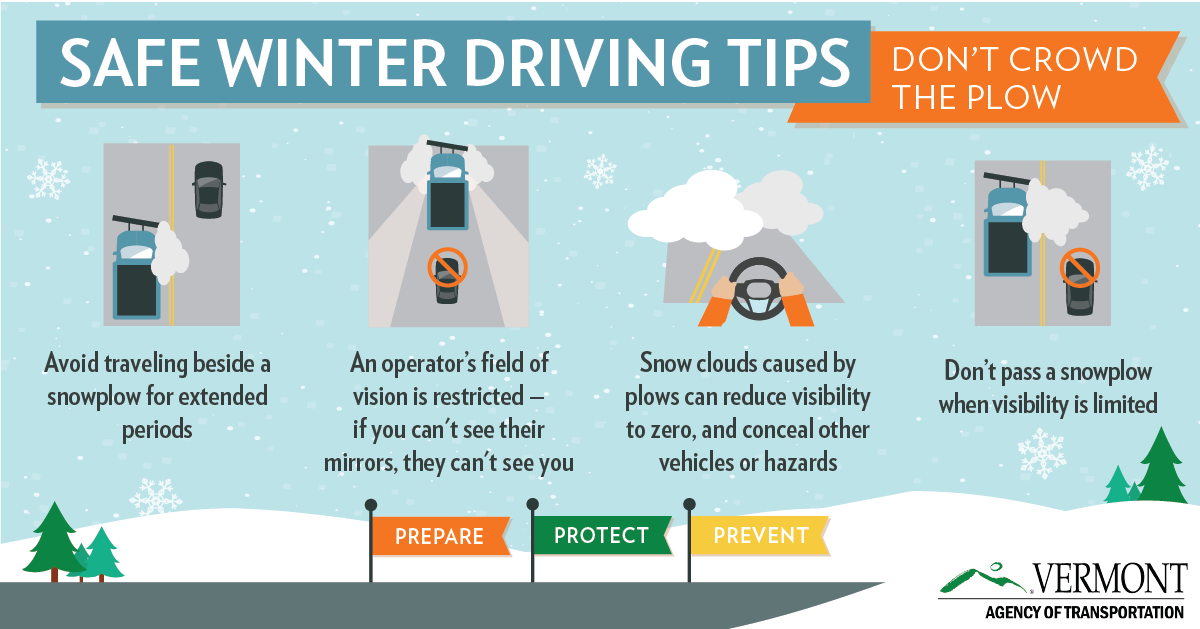
Even with a well-prepared truck, safe driving techniques are essential for navigating winter roads. Adjust your driving habits to account for reduced traction and visibility.
Adjusting Your Speed
The most important adjustment you can make in winter is to slow down. Reduced traction means that you need more time and distance to stop. Increase your following distance and drive at a speed that allows you to maintain control. Even if the speed limit seems reasonable, adjust your speed based on road conditions.
Smooth Steering and Braking
Avoid sudden steering maneuvers or hard braking on slippery surfaces. These actions can easily cause your truck to lose traction and skid. Steer smoothly and gently, and apply the brakes gradually. If your truck has anti-lock brakes (ABS), allow the system to do its job. Don't pump the brakes; instead, apply firm, steady pressure.
Understanding Four-Wheel Drive
If your pickup truck is equipped with four-wheel drive (4WD), understand how and when to use it. 4WD provides additional traction, but it doesn't make your truck immune to skidding. Engage 4WD when driving in snow or ice, but remember to disengage it when driving on dry pavement. Driving in 4WD on dry pavement can damage your truck's drivetrain.
People Also Ask: Is it safe to drive in 4WD all the time in the snow?
While 4WD provides enhanced traction in snowy conditions, it's not advisable to engage it continuously. Use 4WD when you need extra grip on slippery surfaces, but switch back to 2WD on clear, dry roads. Driving in 4WD unnecessarily can lead to increased wear and tear on your truck's drivetrain.
Dealing with Skids
If your truck starts to skid, stay calm and avoid overcorrecting. The key is to steer in the direction of the skid. For example, if your rear wheels are sliding to the left, gently steer to the left. Avoid hitting the brakes, as this can make the skid worse. Once you regain control, gradually steer back to your desired direction.
Black Ice Awareness
Black ice is a thin, transparent layer of ice that forms on roadways, often making it difficult to see. It is particularly dangerous because it can appear as if the road is simply wet. Be especially cautious when driving on bridges, overpasses, and shaded areas, as these are more prone to black ice formation. Reduce your speed and increase your following distance when driving in areas where black ice is likely to occur.
Assembling an Emergency Roadside Kit
No matter how well you prepare your truck for winter, it's always a good idea to have an emergency roadside kit on hand. This kit should contain essential items that can help you stay safe and comfortable if you become stranded.
Essential Items for Your Kit
Jumper Cables: A dead battery is a common problem in winter. Flashlight: For visibility in dark conditions. First-Aid Kit: For treating minor injuries. Blanket: To stay warm if you become stranded. Warm Clothing: Including gloves, a hat, and a scarf. Snacks: Non-perishable food items like energy bars or nuts. Water: To stay hydrated. Ice Scraper and Snow Brush: To clear your windshield and windows. Shovel: To dig your truck out of the snow. Sand or Kitty Litter: To provide traction if your tires are stuck. Warning Flares or Reflectors: To alert other drivers to your presence. Cell Phone Charger: To keep your phone powered up.
Checking Your Kit Regularly
Take the time to review your emergency kit periodically. Ensure that all items are in good condition and that batteries are fresh. Replace any used or expired items. Knowing that you have a well-stocked emergency kit can provide peace of mind and help you stay safe if the unexpected happens.
People Also Ask: What temp is too cold for my car?
There isn't a single temperature that's universally "too cold" for a car, but most experts agree that problems can start to arise when temperatures consistently drop below 20°F (-7°C). At these temperatures, batteries can struggle to provide enough power to start the engine, and fluids like oil and coolant can thicken, making it harder for the engine to function efficiently.
Final Thoughts
Winter driving demands respect and preparation, but it doesn't have to be a source of anxiety. By taking the time to winterize your pickup truck, adopting safe driving techniques, and packing an emergency kit, you can confidently navigate winter roads. Remember to stay informed about weather conditions, adjust your driving accordingly, and prioritize safety above all else. With the right preparation, you can enjoy the winter season without the stress of worrying about your vehicle's performance. Drive safely and stay warm!