
The crunch of tires on fresh snow. The sting of winter air on your face. The quiet beauty of a frosted landscape. Winter driving can be magical, but it can also be incredibly challenging. We all know the feeling of approaching our car on a frigid morning, hoping – just hoping – that it will start. But hoping isn't a strategy.
Winter isn't just about the inconvenience of scraping ice. It’s about safety on the road, reliability when you need it most, and the confidence to tackle whatever winter throws your way. Proper preparation can dramatically reduce the risk of accidents, breakdowns, and the general stress of navigating icy roads and sub-zero temperatures. That confidence is worth its weight in gold when you're facing down a long commute during a blizzard.
One of the easiest things you can do right now is check the age and condition of your car battery. Cold weather significantly reduces battery performance, and a battery nearing the end of its life may struggle, or even fail, on a particularly cold morning. Get it tested at your local auto parts store; it’s often a free service that can save you a lot of headaches.
Understanding Engine Block Heaters
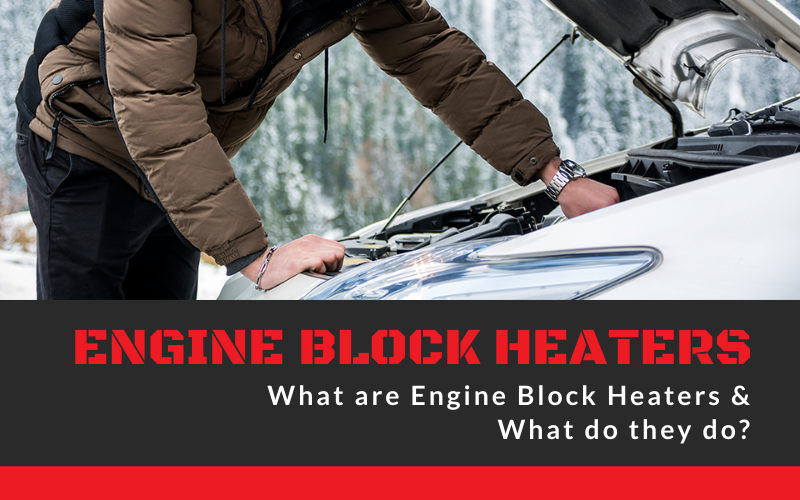
An engine block heater is a device designed to warm the engine of your vehicle, primarily in cold weather. Think of it as giving your car a pre-emptive warm-up, ensuring a smoother start and better performance in freezing temperatures. Instead of relying solely on the battery and starter motor to overcome frigid oil and sluggish engine components, the heater provides a head start, easing the strain and promoting quicker ignition.
For those living in areas where temperatures routinely dip below freezing, or even into the single digits, an engine block heater can be an invaluable tool. It's particularly beneficial for diesel engines, which are notoriously difficult to start in cold weather, but gasoline engines also reap significant advantages.
How does an engine block heater work?
The core function is simple: it heats the engine block. These heaters typically come in the form of a small electric element that is either inserted directly into the engine block (often replacing a freeze plug), or attached to the engine oil pan. When plugged into a standard electrical outlet, the element warms the engine coolant or oil, which in turn heats the surrounding metal of the engine block. This allows the engine to reach its optimal operating temperature much faster than it would through normal combustion alone.
Benefits Beyond Easy Starts
While easier starts are the most obvious benefit, the positive effects extend far beyond that. Warming the engine before starting reduces wear and tear on internal components. Cold starts put significant stress on the engine because the oil is thicker and doesn't circulate as effectively, leading to increased friction and potential damage. Using an engine block heater allows the oil to flow more freely from the get-go, lubricating critical parts and extending the life of your engine.
Another significant benefit is reduced emissions. A cold engine produces significantly higher levels of pollutants compared to a warmed-up engine. By preheating the engine, you're contributing to cleaner air and a smaller environmental footprint. This is especially relevant in densely populated areas or regions with stringent emissions regulations. Finally, improved fuel economy in the first few miles of driving is another perk. A pre-warmed engine reaches optimal operating efficiency more quickly, reducing fuel consumption during the initial, typically less efficient, driving period.
Choosing and Installing an Engine Block Heater
Selecting the right engine block heater for your vehicle involves considering several factors. The first and most crucial is compatibility. Engine block heaters are often vehicle-specific, meaning they are designed to fit certain makes, models, and engine types. Consult your vehicle's owner's manual or a trusted mechanic to determine the correct type for your car. You can also use online parts finders that allow you to input your vehicle information to locate compatible heaters.
Types of Engine Block Heaters
Freeze Plug Heaters: These are the most common type and replace an existing freeze plug in the engine block. They offer direct heating of the coolant and are considered highly effective. Oil Pan Heaters: These adhere to the outside of the oil pan and warm the oil directly. They are generally easier to install than freeze plug heaters but may be slightly less efficient. Dipstick Heaters: These are inserted into the dipstick tube and heat the oil. They are the easiest to install but are generally the least effective. In-Line Coolant Heaters: These are installed in one of the coolant hoses.
Installation: DIY or Professional?
Installation complexity varies depending on the type of heater. Oil pan and dipstick heaters are generally straightforward and can be installed by most DIYers. However, freeze plug heaters typically require removing an existing freeze plug, which can be challenging and may necessitate specialized tools.
If you're comfortable working on cars and have the necessary tools, you might be able to install a freeze plug heater yourself. However, if you're unsure or uncomfortable with the process, it's best to have it installed by a professional mechanic. Improper installation can lead to leaks, damage to the engine, and potential safety hazards.
Connecting and Using Your Heater
Once installed, using your engine block heater is relatively simple. Most heaters come with a standard electrical cord that you plug into a regular 120V outlet. It's crucial to use a heavy-duty extension cord rated for outdoor use, especially if the outlet is located far from your vehicle. Make sure the cord is in good condition and free from any cuts or damage.
How long should I leave it plugged in?
The ideal amount of time to leave the heater plugged in depends on the ambient temperature. In extremely cold conditions (below 0°F or -18°C), 3-4 hours is generally sufficient. In milder freezing temperatures, 2-3 hours may be enough. Leaving it plugged in overnight is generally not necessary and can waste electricity, although most modern heaters are thermostatically controlled to prevent overheating. The key is to find the sweet spot where the engine is warm enough to start easily without excessively consuming energy. Experiment a little to see what works best for your vehicle and climate.
Safety First
Always unplug the heater before starting your vehicle and driving. Ensure the cord is safely stowed away to prevent it from dragging on the ground. Regularly inspect the cord and heater for any signs of damage, and replace them if necessary. Using a timer can automate the process, ensuring the heater is only active during the hours you need it.
Beyond the Block Heater: Comprehensive Winter Car Care
While an engine block heater is a fantastic tool, it's only one piece of the winter driving puzzle. A holistic approach to winter car care will ensure you're fully prepared for the challenges ahead.
Winter Tires: The Foundation of Traction
Perhaps the single most important thing you can do to improve winter driving safety is to install winter tires. Winter tires are designed with a special rubber compound that remains pliable in cold temperatures, providing significantly better grip on snow and ice compared to all-season tires. They also feature a unique tread pattern with sipes (small slits) that bite into the snow, enhancing traction. Consider winter tires a safety investment.
Do I need snow tires in mild winters?
Even in regions with relatively mild winters, winter tires can offer a noticeable improvement in performance, especially if you frequently encounter icy conditions. The specialized rubber compound provides better grip even on cold, dry pavement compared to all-season tires.
Winter Tire Maintenance
Maintaining your winter tires properly is crucial for optimal performance and longevity. Check the tire pressure regularly, as it decreases in cold weather. Ensure the tires are properly inflated to the recommended pressure specified in your vehicle's owner's manual or on the tire sidewall. Rotate your winter tires every season to ensure even wear. Store them properly during the off-season, keeping them clean, dry, and away from direct sunlight.
Battery Health: Avoiding Cold Weather Surprises
As mentioned earlier, cold weather significantly reduces battery performance. Have your battery tested before winter arrives and replace it if it's nearing the end of its life. Clean the battery terminals to ensure a good connection. Consider using a battery maintainer if you don't drive your car frequently, as it will keep the battery charged and prevent it from draining during cold periods.
Fluid Checks: The Lifeblood of Your Vehicle
Check all your vehicle's fluids, including engine oil, coolant, brake fluid, power steering fluid, and windshield washer fluid. Use the correct type of engine oil recommended for your vehicle and climate. Ensure the coolant is properly mixed with antifreeze to prevent freezing. Use a winter-specific windshield washer fluid that won't freeze in cold temperatures.
Visibility is Key: Wipers and Lights
Ensure your windshield wipers are in good condition and replace them if they are streaking or damaged. Consider using winter wipers designed to prevent ice buildup. Check all your vehicle's lights, including headlights, taillights, brake lights, and turn signals, and replace any burnt-out bulbs. Keep your headlights clean to maximize visibility.
Emergency Roadside Kit: Prepared for the Unexpected
Prepare an emergency roadside kit and keep it in your vehicle during the winter months. Include items such as jumper cables, a flashlight, a first-aid kit, a blanket, gloves, a hat, a shovel, sand or kitty litter for traction, and some non-perishable food and water.
What temp is too cold for my car?
While modern vehicles are designed to withstand very cold temperatures, starting issues can become more frequent below 0°F (-18°C). Extremely cold temperatures can also cause other problems, such as frozen fuel lines or a dead battery.
Black Ice Awareness
Black ice is a thin, transparent layer of ice that forms on roadways and can be extremely dangerous. It's often difficult to see, making it a significant hazard for drivers. Be particularly cautious when driving on bridges, overpasses, and shaded areas, as these are more prone to black ice formation. Reduce your speed and increase your following distance when driving in potentially icy conditions.
Preparing your car for winter driving may seem like a lot of work, but the benefits are well worth the effort. From the peace of mind knowing your car will start on a cold morning to the increased safety and confidence on icy roads, winter car care is an investment in your well-being. Take the time to address these key areas, and you'll be well-equipped to tackle whatever winter throws your way. Don't let winter catch you off guard; start preparing today and enjoy a safer, more reliable, and stress-free driving experience all season long.