
It’s that time of year again. The leaves are changing, the air is crisp, and a new kind of anxiety settles in for parents of teen drivers: winter is coming. You want your teen to experience the freedom of driving, but the thought of them navigating icy roads can be terrifying. You're not alone!
Winter driving presents unique challenges, and preparing your teen is crucial for their safety and confidence behind the wheel. It's about more than just knowinghowto drive; it's about anticipating potential hazards and knowing how to react calmly and effectively. This preparation should be an integral part of their parent-supervised driving experience, helping them develop safe driving habits for teens that will last a lifetime.
This week, take the time to walk your teen through a pre-winter vehicle check. Show them how to check tire pressure, explain the importance of proper tread depth, and demonstrate how to fill the windshield washer fluid with a winter-specific solution. This hands-on lesson will not only equip them with practical skills but also emphasize the importance of vehicle maintenance for safe winter driving.
Winter Driving Preparation: A Teen Driver Checklist
Winter driving demands a different approach. It's not just about adjusting to the cold; it’s about understanding how snow, ice, and reduced visibility impact vehicle control and overall safety. A proactive teen driver checklist, built into your graduated driver licensing (GDL) practice, can make all the difference.
Vehicle Readiness
Before the first snowflake falls, ensure your teen knows how to prepare the car for winter conditions. This involves more than just switching to winter tires (if applicable).
Tire Pressure: Cold weather reduces tire pressure. Teach your teen how to check and adjust tire pressure regularly. Refer to the sticker on the driver's side doorjamb or the owner's manual for the recommended pressure. Tire Tread: Explain the importance of adequate tire tread for maintaining traction on slippery surfaces. Show them how to use the penny test (insert a penny upside down into the tread; if you can see all of Lincoln's head, the tires need replacing). Windshield Wipers and Washer Fluid: Ensure the windshield wipers are in good condition and the washer fluid reservoir is full with a winter-specific solution that won’t freeze. Teach them how to properly clear the windshield of ice and snowbeforedriving. Lights: Make sure all lights (headlights, taillights, brake lights, turn signals) are functioning properly. Visibility is crucial in winter, and working lights are essential. Battery: Cold weather can weaken a car battery. Consider having the battery tested, especially if it's several years old. Emergency Kit: Prepare a winter emergency kit for the car, including: Blanket
Flashlight with extra batteries
First-aid kit
Jumper cables
Snacks and water
Ice scraper and snow brush
Sand or kitty litter (for traction)
Warning flares or reflective triangles
Adjusting Driving Techniques
Winter driving requires a more cautious and deliberate approach. Emphasize the following safe driving habits for teens: Slow Down: This is the most important tip. Reduce speed significantly in winter conditions. The posted speed limit is for ideal conditions, not icy roads. Increase Following Distance: Allow significantly more space between your car and the vehicle in front of you. This gives you more time to react if the other driver brakes suddenly. Brake Gently: Avoid sudden braking, which can cause skidding. Apply the brakes smoothly and gradually. If your car has anti-lock brakes (ABS), let the system do its job. Don't pump the brakes. Steer Smoothly: Avoid jerky steering movements. Steer gently and gradually to maintain control. Be Aware of Black Ice: Black ice is a thin, transparent layer of ice that is difficult to see. It often forms on bridges, overpasses, and in shaded areas. Be especially cautious in these locations. Avoid Cruise Control: Cruise control can be dangerous in winter conditions. If your car starts to skid, cruise control may prevent you from regaining control. Practice Skid Recovery:In a safe, controlled environment (like an empty parking lot covered in snow), practice how to recover from a skid. Teach your teen to steer in the direction of the skid (the direction the rear of the car is sliding) and avoid braking hard.
Planning and Awareness
Part of being a responsible driver is planning ahead and being aware of your surroundings.
Check the Weather Forecast: Before heading out, check the weather forecast and road conditions. If the weather is severe, consider postponing the trip. Plan Your Route: Choose the safest route, avoiding steep hills and winding roads if possible. Let Someone Know Your Plans: Tell someone where you are going and when you expect to arrive. Stay Focused: Avoid distractions while driving, such as cell phones and loud music. Be Prepared for Delays:Winter weather can cause traffic delays. Be prepared to be patient and allow extra time to reach your destination.
Practical Exercises for Parent-Supervised Driving in Winter
The best way for your teen to gain confidence in winter driving is through practical experience under your guidance.
Empty Parking Lot Practice: Find an empty parking lot covered in snow and practice basic maneuvers like braking, steering, and skid recovery. This allows your teen to experience the feeling of losing control in a safe environment. Low-Speed Practice on Quiet Roads: Once your teen is comfortable in the parking lot, progress to practicing on quiet, low-speed roads with light snow or ice. Gradual Exposure to More Challenging Conditions: As your teen gains experience and confidence, gradually expose them to more challenging conditions, such as driving in heavier snow or on busier roads. Verbal Coaching: Provide clear and concise verbal coaching during practice. Offer feedback on their technique and reinforce safe driving habits. Positive Reinforcement:Acknowledge their progress and offer positive reinforcement. This will help build their confidence and encourage them to continue practicing.
People Also Ask:
How many hours should a teen practice driving in winter conditions?
There's no set number, but focus on quality over quantity. Aim for several supervised sessions covering various winter scenarios. Include practice in empty parking lots to understand skid control, and then move to low-traffic streets as their confidence grows. Remember, even a few hours of focused practice can significantly improve their winter driving skills. Gradually increase exposure as they gain experience and confidence.
What's the safest way for parents to guide teens during winter driving practice?
Start with clear, calm communication. Emphasize the importance of reduced speed and increased following distance. During practice, provide real-time feedback, focusing on gentle braking and steering. Choose safe, controlled environments like empty parking lots to practice skid recovery. Most importantly, be patient and encouraging. This builds confidence and reinforces the safe driving habits for teens you're trying to instill.
How do I keep my teen calm during winter driving practice?
Acknowledge their anxiety and normalize it. Explain that it's natural to feel nervous in challenging driving conditions. Create a supportive environment by remaining calm and patient. Focus on one skill at a time, and celebrate small successes. Remind them that you're there to guide them and ensure their safety. Over time, consistent practice and positive reinforcement will help them build confidence and reduce anxiety.
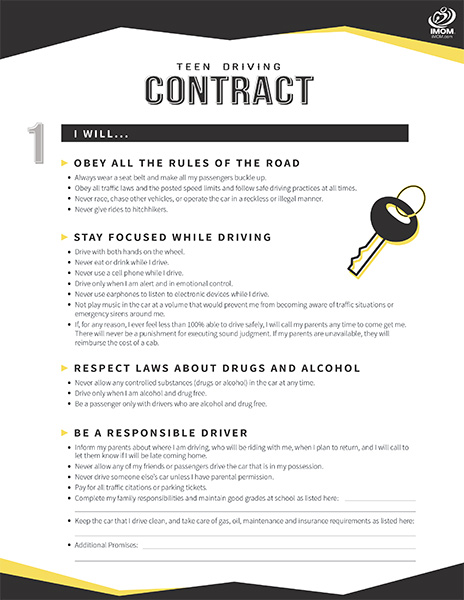
The Importance of a Parent-Teen Driving Contract for Winter
Integrating winter driving preparation into your parent-teen driving contract can further reinforce its importance.
Specific Winter Driving Rules: Include specific rules related to winter driving, such as: No driving in severe weather conditions.
Adherence to reduced speed limits.
Requirement to check weather and road conditions before driving.
Restrictions on driving with passengers in winter conditions (especially during the first winter season). Consequences for Violations: Clearly outline the consequences for violating the winter driving rules, such as temporary suspension of driving privileges. Incentives for Safe Driving: Consider offering incentives for safe driving, such as extended curfew or increased driving privileges during non-winter months. Regular Review and Updates:Review and update the driving contract regularly, especially as your teen gains more experience and confidence.
A well-defined contract, covering all seasons, helps create a structured and safe learning environment, fostering responsible decision-making. This becomes a vital component of teen road safety tips, establishing clear expectations and boundaries.
Preparing your teen for winter driving is an investment in their safety and well-being. By equipping them with the knowledge, skills, and mindset necessary to navigate winter conditions, you're not just teaching them how to drive; you're empowering them to become responsible and confident drivers. Remember to be patient, supportive, and consistent, and celebrate their progress along the way. With your guidance and encouragement, they’ll be well-prepared to tackle winter driving with confidence. You've got this, and so do they!