
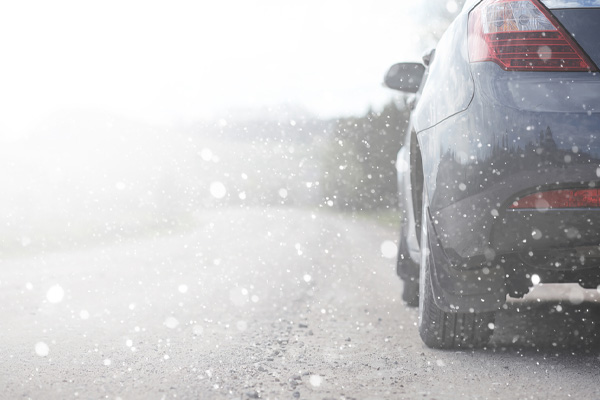
The biting wind howls, swirling snow across the road, and you grip the steering wheel a little tighter. Winter driving demands your full attention, and the last thing you need is a compromised windshield adding to the stress. That small crack you’ve been meaning to get fixed? In winter, it becomes a much bigger problem.
Preparing your vehicle for winter isn’t just about comfort; it’s about safety, reliability, and peace of mind. A well-maintained car is less likely to break down in freezing temperatures, keeping you and your passengers safe. Taking proactive steps ensures you can navigate slick roads with confidence, knowing your vehicle is up to the challenge. It's about mitigating risks and ensuring you reach your destination without incident, letting you focus on enjoying the season, not worrying about car trouble.
Before the first snowfall, take a moment to check your tire pressure. Cold temperatures cause tire pressure to drop, which can affect handling and fuel efficiency. A quick top-up at your local gas station can make a significant difference in your driving experience.
Can You Drive with a Cracked Windshield in Winter?
Driving with a cracked windshield is generally a bad idea, and in winter, it can be downright dangerous. The cold weather can exacerbate the crack, leading to further damage and potentially a complete windshield failure. But let’s break down the specific risks and legal considerations.
The primary concern is structural integrity. Windshields are designed to provide crucial support to the vehicle's roof and play a vital role in passenger safety during a collision. A crack weakens this structure, making it more susceptible to collapsing in an accident or even shattering from the stress of temperature fluctuations. When temperatures plummet, the glass contracts, and the stress on the existing crack increases significantly. This can cause the crack to spread rapidly, obstructing your vision and compromising the windshield’s ability to protect you in a crash.
Beyond safety, there are legal ramifications to consider. Many states have laws prohibiting driving with a windshield that obstructs the driver's view. A crack that's in the driver's line of sight, particularly if it's large or complex, could result in a ticket. Furthermore, a cracked windshield can be a reason for your vehicle to fail a safety inspection, preventing you from renewing your registration. The specific regulations vary by location, so it's crucial to check your local laws to avoid potential fines and legal headaches.
Is a Small Chip the Same as a Crack?
While a small chip might seem insignificant, it can quickly turn into a major crack, especially in winter. The same principles apply: temperature fluctuations and road vibrations can cause the chip to spread, leading to more extensive damage. While a minor chip might not be illegal in your area, it’s still advisable to get it repaired promptly. Many auto glass shops offer chip repair services that are relatively inexpensive and can prevent further damage. Consider it a preventative measure to avoid a more costly and dangerous situation down the road.
What if the Crack is on the Passenger Side?
Even if the crack is on the passenger side, it can still be a problem. While it might not directly obstruct your view, a severely cracked windshield can still compromise the structural integrity of the vehicle. In an accident, the weakened windshield could shatter, potentially causing injury to passengers. Furthermore, a large crack on the passenger side can reflect light and create glare, distracting the driver and increasing the risk of an accident.
Winter Weather and Windshield Damage
Winter weather presents a unique set of challenges to windshields, increasing the likelihood of cracks and chips. The combination of freezing temperatures, road salt, and sudden temperature changes can wreak havoc on your vehicle’s glass. Understanding these factors can help you take preventative measures and avoid costly repairs.
One of the biggest culprits is temperature fluctuation. Imagine driving down a frigid highway, and then suddenly blasting the defroster on high to clear a fogged-up windshield. The rapid temperature change can create significant stress on the glass, particularly if there’s already a small chip or crack present. This sudden expansion and contraction can cause the existing damage to spread quickly, leading to a larger and more problematic crack.
Road salt and debris also contribute to windshield damage in winter. Salt, sand, and gravel are commonly used to de-ice roads, but they can also be kicked up by other vehicles, striking your windshield at high speeds. These impacts can cause new chips or exacerbate existing ones. Over time, the constant bombardment of small particles can weaken the glass and make it more susceptible to cracking.
What temp is too cold for my car?
While modern cars are generally designed to withstand cold temperatures, extreme cold can still pose challenges. Temperatures below 0°F (-18°C) can put extra strain on your car's battery, making it harder to start. Fluids like engine oil and coolant can thicken, reducing their effectiveness. It’s wise to ensure your car is properly winterized, with the correct antifreeze mixture and a healthy battery, before the mercury plummets.
Does car insurance cover windshield replacement?
Whether your car insurance covers windshield replacement depends on your policy and your location. Comprehensive coverage typically covers windshield damage caused by factors such as hail, falling objects, and vandalism. However, some policies may have a deductible, meaning you'll need to pay a certain amount out of pocket before the insurance kicks in. It's best to review your policy or contact your insurance provider to understand your coverage options. Some states even have laws that waive the deductible for windshield repairs, so it's worth checking your local regulations.
Preparing Your Car for Winter Driving
Beyond addressing windshield cracks, several other steps can help prepare your car for the challenges of winter driving. A well-prepared vehicle is not only safer but also more reliable, reducing the risk of breakdowns and ensuring a smoother, more comfortable driving experience.
Start with your tires. Ensure they have adequate tread depth for winter conditions. As tread wears down, your tires lose their ability to grip the road, especially on snow and ice. Consider using winter tires if you live in an area with frequent snowfall or icy conditions. Winter tires are designed with a special rubber compound that stays flexible in cold temperatures and a tread pattern that provides superior traction on snow and ice.
Next, check your battery. Cold weather can significantly reduce battery performance, making it harder to start your car. Have your battery tested to ensure it's in good condition. If it's more than a few years old, consider replacing it before winter arrives. Clean battery terminals to prevent corrosion and ensure a good connection.
Inspect all your fluids, including engine oil, coolant, brake fluid, and windshield washer fluid. Ensure they are at the proper levels and that they are appropriate for winter temperatures. Use a winter-specific windshield washer fluid that won't freeze in cold weather. Check your coolant mixture to ensure it provides adequate freeze protection.
Do I need snow tires in mild winters?
Whether you need snow tires in mild winters depends on your driving habits and the specific conditions you encounter. If you live in an area with occasional light snow or ice, you might be able to get by with all-season tires, provided they have good tread depth. However, if you frequently drive on roads that are snow-covered or icy, even for short periods, winter tires can provide a significant safety advantage. They offer better traction and braking performance in cold and slippery conditions, reducing the risk of accidents.
What should be in an emergency roadside kit for winter?
An emergency roadside kit is essential for winter driving. It should include items such as jumper cables, a flashlight, a first-aid kit, a blanket, a shovel, sand or kitty litter for traction, and a cell phone charger. Consider adding extra warm clothing, food, and water in case you become stranded. A brightly colored flag or warning triangle can help alert other drivers to your presence. Periodically check your kit to ensure all items are in good working order and replace any used or expired items.
Black Ice Awareness
Black ice is a particularly dangerous winter driving hazard. It's a thin, transparent layer of ice that forms on roadways, making it virtually invisible to drivers. Black ice typically forms when temperatures hover around freezing and can appear on bridges, overpasses, and shaded areas of the road.
The key to avoiding black ice accidents is to be aware of the conditions that favor its formation and to adjust your driving accordingly. Slow down, increase your following distance, and avoid sudden braking or steering maneuvers. If you encounter black ice, steer gently in the direction you want to go and avoid overcorrecting. Applying gentle, steady pressure to the brakes can help maintain control.
Cold Weather Car Tips Summary
Address Windshield Cracks: Repair or replace damaged windshields before winter. Check Tire Pressure and Tread: Ensure proper inflation and adequate tread depth. Consider winter tires. Inspect Battery: Have your battery tested and replace if necessary. Check Fluids: Top off and use winter-appropriate fluids. Prepare an Emergency Kit: Include essential items for winter roadside emergencies. Be Aware of Black Ice: Adjust driving habits in cold and icy conditions.
Driving in winter can feel daunting, but with the right preparation, you can navigate the challenges safely and confidently. Taking the time to address potential issues like a cracked windshield and implementing these winter driving tips will not only protect you and your passengers but also give you peace of mind knowing you're ready for whatever the season throws your way. Don't let a minor crack turn into a major headache. Schedule that windshield repair, double-check your tire pressure, and embrace the winter roads with confidence. You've got this!