
The first snowfall of the year always brings a mix of excitement and trepidation for drivers. The beauty of a snow-covered landscape can quickly turn to anxiety when you're behind the wheel, navigating slippery roads and reduced visibility. We've all been there, gripping the steering wheel a little tighter, questioning every decision, and hoping to arrive at our destination safely.
That feeling of unease is completely understandable, and it highlights why winter preparation is so crucial. It's not just about comfort; it's about ensuring your safety, the reliability of your vehicle, and the confidence to handle whatever winter throws your way. Preparing your car and adjusting your driving habits for winter conditions can significantly reduce your risk of accidents and breakdowns, allowing you to face the season with greater peace of mind. And a simple habit? Before each drive, clear not just your windshield, but all windows, mirrors, and lights. Proper visibility is your first line of defense.
Cruise Control in Snow: Tempting, but Treacherous
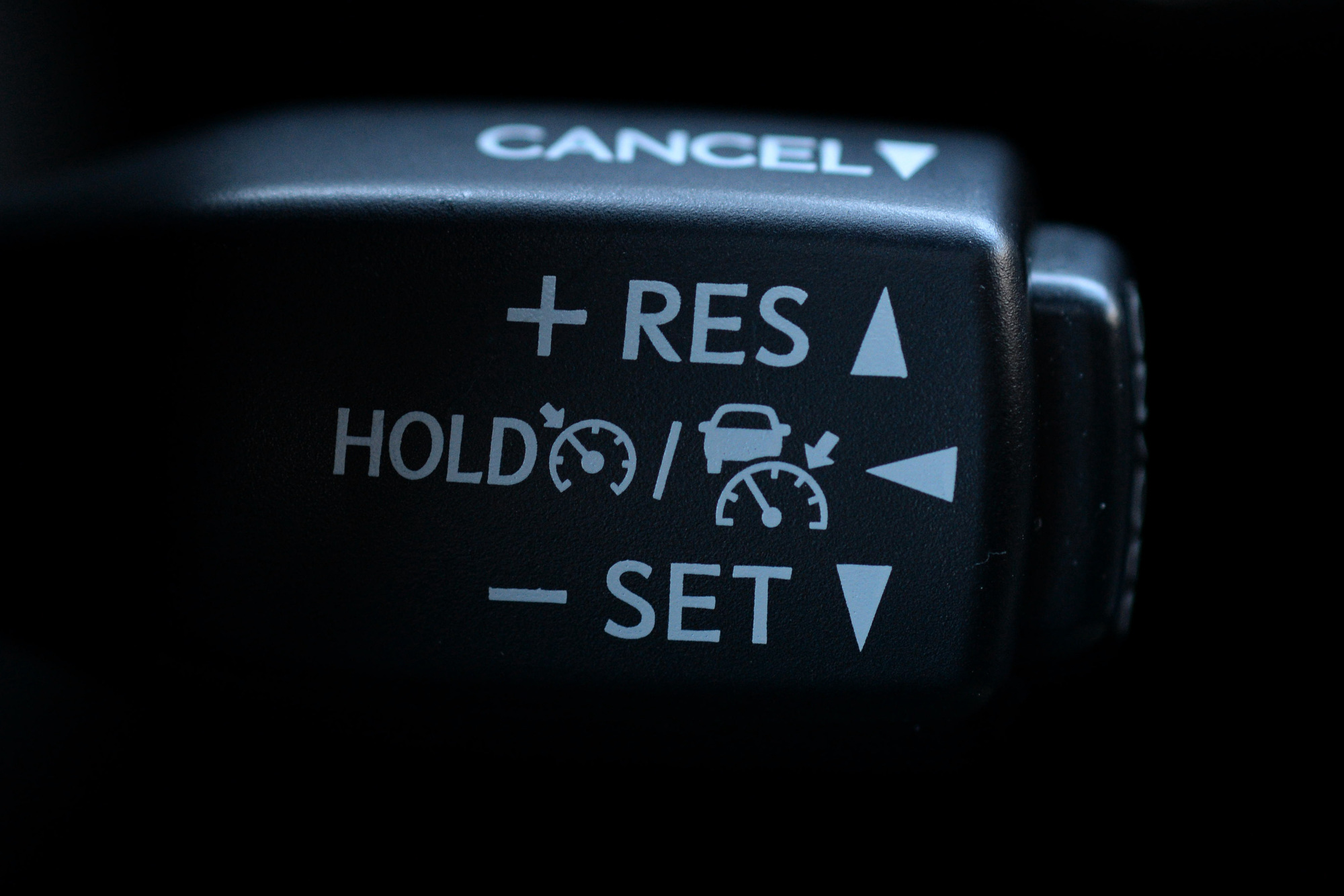
Cruise control is a wonderful invention for long highway drives in good conditions. It allows you to relax, maintain a consistent speed, and reduce fatigue. But when snow and ice enter the equation, that convenience can quickly become a liability. The core problem is that cruise control is designed for ideal road conditions, and winter driving is anything but ideal.
Think of it this way: cruise control maintains a set speed by adjusting the engine's power. On a dry road, this is seamless. However, on a slippery surface, those adjustments can cause your tires to lose traction, leading to skidding or loss of control. The system doesn't "feel" the road; it simply reacts to maintain the programmed speed. It can't anticipate black ice or a sudden change in road conditions. This is where the danger lies.
When your tires lose traction while cruise control is engaged, the system might try to compensate by applying more power, which only exacerbates the problem. You might find yourself accelerating unintentionally on a slippery surface, making it even harder to regain control of the vehicle.
People Also Ask: How do I disengage cruise control quickly in snow?
The easiest and safest way to disengage cruise control is to tap the brake pedal lightly. This will immediately deactivate the system without abruptly slowing down your vehicle. Familiarize yourself with the location of the cruise control disengage button as well. Avoid slamming on the brakes, as this can cause skidding and loss of control on icy surfaces, especially if your vehicle doesn't have ABS or if you aren't experienced with managing a skid. Practice this disengagement in a safe, controlled environment (like an empty parking lot) before winter weather hits.
The Risks Amplified: Why Cruise Control is a No-Go in Winter
Beyond the immediate danger of losing traction, there are other risks associated with using cruise control in snowy or icy conditions: Reduced Reaction Time: When cruise control is engaged, drivers sometimes become less attentive to the road conditions. This can lead to a delayed reaction time when encountering a slippery patch or an unexpected hazard. You need to be constantly aware and ready to react to changing conditions in winter. False Sense of Security: Cruise control can create a false sense of security, especially for less experienced winter drivers. It's easy to become complacent and overestimate your ability to control the vehicle. Remember that winter driving requires constant vigilance and adjustments. Incompatibility with Traction Control Systems: While modern vehicles are equipped with advanced traction control and stability control systems, these systems are designed to work best when the driver is actively controlling the throttle and brakes. Cruise control can interfere with the optimal functioning of these systems, reducing their effectiveness in preventing skids. Increased Risk of Hydroplaning: In slushy or wet conditions, cruise control can increase the risk of hydroplaning. Hydroplaning occurs when your tires lose contact with the road surface due to a layer of water or slush. With cruise control engaged, the system may try to maintain speed even when the tires are not gripping the road, leading to a dangerous loss of control.
People Also Ask: Can all-wheel drive compensate for using cruise control in snow?
All-wheel drive (AWD) can certainly improve traction and stability in winter conditions, providing more grip than a two-wheel drive vehicle. However, AWD does NOT make your vehicle immune to the dangers of using cruise control in snow or ice. AWD helps with acceleration and maintaining forward momentum, but it doesn't magically improve braking or steering. Even with AWD, your vehicle can still lose traction, skid, and be difficult to control, especially when cruise control is engaged. AWD gives you more confidence, but never a license to ignore the basic principles of safe winter driving. Remember that all vehicles, regardless of drivetrain, are susceptible to the laws of physics on slippery surfaces.
Alternative Strategies for Safe Winter Driving
So, if cruise control is a no-go, what are some safer alternatives for maintaining a consistent speed and reducing fatigue on winter roads?
Manual Speed Control: The best approach is to manually control your speed, constantly adjusting to the road conditions. This allows you to feel the road and react instantly to any changes in traction. Be gentle with the throttle and brakes, avoiding sudden acceleration or deceleration. Increased Following Distance: Give yourself plenty of space between your vehicle and the vehicle in front of you. This provides more time to react if the vehicle ahead of you brakes suddenly or loses control. A good rule of thumb is to double or triple your normal following distance in winter conditions. Smooth and Gradual Movements: Avoid abrupt steering, braking, or acceleration. Smooth and gradual movements are essential for maintaining control on slippery surfaces. Make all adjustments gently and deliberately. Use Lower Gears: In some situations, using a lower gear can provide better control and traction. Lower gears provide more engine braking, which can help to slow down the vehicle without using the brakes. Consult your owner's manual for specific recommendations on using lower gears in winter conditions. Prioritize Winter Tires:Investing in a set of dedicated winter tires is one of the best things you can do for winter driving safety. Winter tires are designed with a special tread pattern and rubber compound that provides superior grip on snow and ice.
People Also Ask: What temp is too cold for my car to function properly?
While modern cars are designed to withstand a wide range of temperatures, extreme cold can definitely impact their performance. Generally, temperatures below 0°F (-18°C) can start to cause problems. At these temperatures, your car battery may struggle to provide enough power to start the engine. Oil can thicken, making it harder for the engine to circulate. Tire pressure decreases, affecting handling and fuel efficiency. Rubber and plastic components can become brittle and more prone to cracking. Keeping your car garaged or using a block heater in extremely cold weather can help mitigate these issues.
Beyond Cruise Control: Comprehensive Winter Preparation
Avoiding cruise control is just one piece of the winter driving puzzle. A comprehensive approach to winter preparation includes: Vehicle Inspection: Before winter arrives, have your vehicle inspected by a qualified mechanic. Check the battery, brakes, tires, fluids, and lights. Address any maintenance issues promptly. Tire Maintenance: Ensure your tires have adequate tread depth and are properly inflated. Consider investing in winter tires if you live in an area with frequent snow or ice. Regularly check and adjust tire pressure as temperatures fluctuate. Fluid Levels: Check all fluid levels, including engine oil, coolant, brake fluid, power steering fluid, and windshield washer fluid. Use fluids that are appropriate for cold weather conditions. Emergency Roadside Kit: Prepare an emergency roadside kit that includes essential items such as jumper cables, a flashlight, a first-aid kit, a blanket, a shovel, sand or kitty litter (for traction), and snacks. Winter Driving Skills: Practice winter driving skills in a safe, controlled environment before encountering challenging conditions on the road. Learn how to handle skids, brake effectively on ice, and maintain control of your vehicle in slippery conditions. Consider taking a winter driving course. Black Ice Awareness: Be extra cautious when driving on bridges, overpasses, and shaded areas, as these locations are more prone to black ice. Black ice is a thin, transparent layer of ice that is extremely difficult to see. Slow down and increase your following distance when driving in these areas.
People Also Ask: Do I need snow tires in mild winters?
Even in areas with relatively mild winters, snow tires can provide a significant safety advantage. While you might not encounter deep snowdrifts every day, even a light dusting of snow or a patch of ice can make driving treacherous. Snow tires are designed with a special rubber compound that stays flexible in cold temperatures, providing better grip than all-season tires. They also have a unique tread pattern with deeper grooves and biting edges that improve traction on snow and ice. If temperatures consistently drop below 45 degrees Fahrenheit (7 degrees Celsius) during the winter months, snow tires are a worthwhile investment, regardless of the amount of snowfall.
Winter driving can be challenging, but with the right preparation and knowledge, you can navigate the season safely and confidently. Remember, patience and caution are your best allies on winter roads. By avoiding cruise control and embracing safer driving habits, you can minimize your risk of accidents and enjoy the beauty of winter without compromising your safety. Take a deep breath, stay alert, and drive defensively – you've got this!