
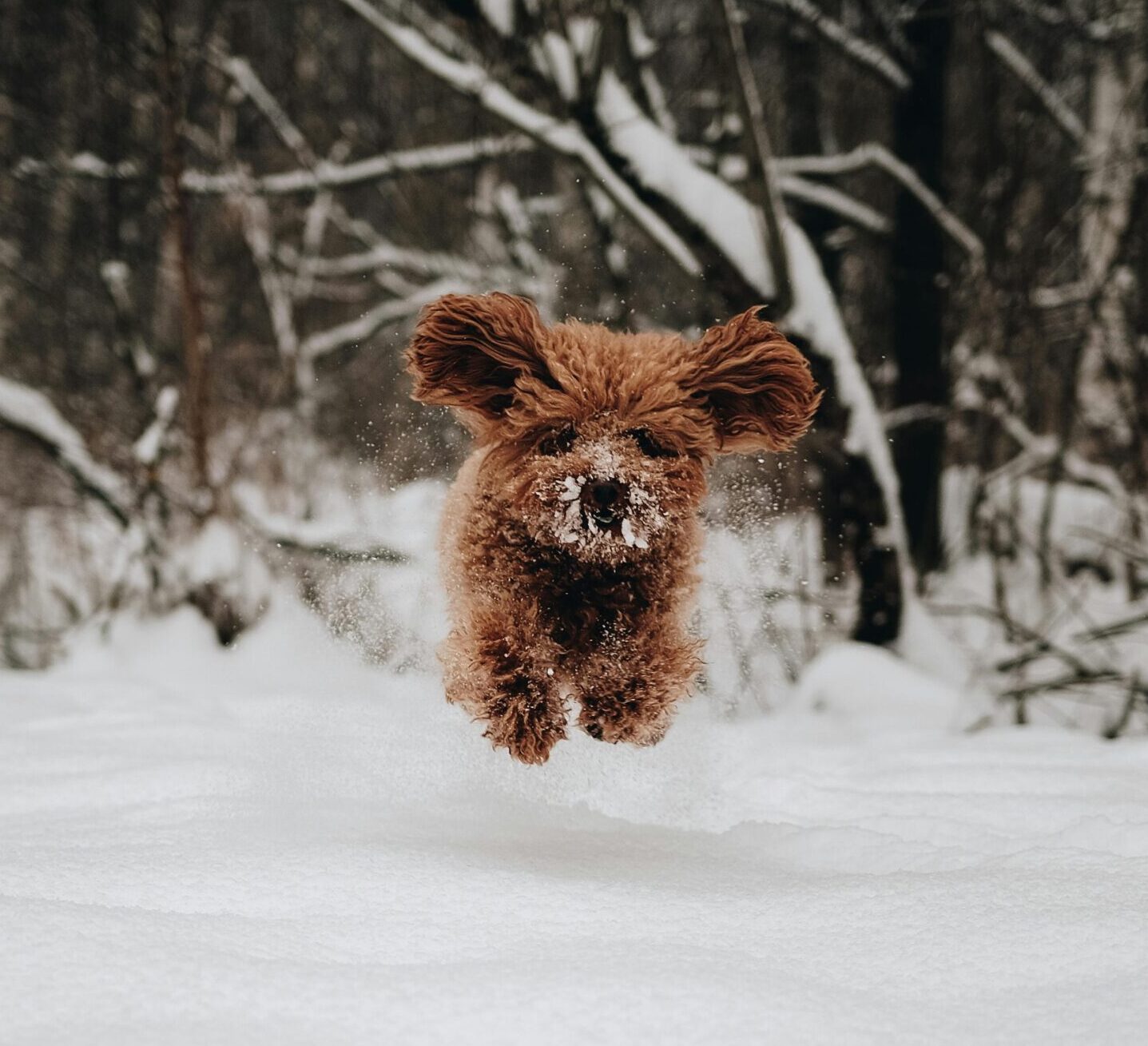
The sudden chill in the air, the early sunsets, and the first flurry of snow serve as unmistakable reminders: winter is coming. And while we humans can layer up with cozy sweaters and crank up the thermostat, our furry companions rely on us to ensure their safety and well-being, especially when traveling by car.
Winter driving presents unique challenges, and preparing your vehicle and adjusting your driving habits are essential for a safe journey. But often, the safety of our pets takes a backseat – unintentionally, of course. Taking the time to prepare your car for winter isn't just about avoiding breakdowns; it's about building confidence behind the wheel, knowing you're prepared for whatever the road throws your way and that your beloved pet is safe and comfortable. This allows you to focus on the road, anticipate hazards, and react calmly to unexpected situations. A prepared car, a confident driver, and a secure pet make for a significantly safer winter driving experience.
One small but impactful habit to adopt right now is to double-check your car's antifreeze levels. Antifreeze not only prevents your engine from freezing, but it also protects against overheating. A properly maintained cooling system is crucial for your car's reliability in the cold, and it can also impact the effectiveness of your car's heater – ensuring your pet stays warm and comfortable during your journey.
Keeping Pets Safe in Your Car During Winter
Winter poses specific hazards to pets traveling in cars, ranging from temperature extremes to the psychological stress of unfamiliar conditions. Just as you wouldn't leave a child unattended in a car on a hot summer day, similar precautions are necessary during the winter months. The goal is to create a safe, comfortable, and stress-free environment for your pet whenever they need to travel with you during the colder seasons.
It’s easy to assume that the car's climate control system will automatically provide adequate warmth, but this isn't always the case. Shorter trips, older vehicles with less efficient heating, and drafts can all contribute to a chilly environment for your pet. Conversely, overheating can also be a concern, especially on sunny winter days.
What temperature is too cold to leave a dog in a car?
Generally, temperatures below freezing (32°F or 0°C) are considered dangerous for pets left unattended in a car for any significant length of time. However, factors like breed, age, size, and coat thickness play a crucial role. Small dogs with thin coats are more vulnerable to cold than large, thick-coated breeds. Puppies and senior dogs also have a harder time regulating their body temperature. If you're uncomfortable with the temperature yourself, it's likely too cold for your pet.
Essential Preparations Before Hitting the Road
Proper preparation is key to ensuring a safe and comfortable trip for your pet during the winter. This includes preparing both your vehicle and your pet for the unique challenges of winter travel. From equipping your car with necessary supplies to acclimating your pet to the car, these steps will significantly reduce the risks associated with winter driving.
Begin by considering the length of your journey and the potential for delays. Winter weather can be unpredictable, and road closures or traffic congestion can quickly turn a short trip into a much longer one. Always err on the side of caution and pack more supplies than you think you'll need.
Emergency Supplies for Your Car and Pet
An emergency roadside kit is essential for any winter journey, but when you're traveling with a pet, you need to tailor it to their specific needs. This kit should include: Warm blankets: Essential for keeping your pet warm if your car breaks down. Food and water: Pack enough food and water for your pet for the duration of the trip, plus extra in case of delays. A collapsible bowl is a convenient way to provide water. Pet first-aid kit: Include items like antiseptic wipes, gauze, bandages, and any medications your pet may need. Leash and harness/carrier: Always keep your pet securely restrained in the car. A harness is safer than a collar in case of an accident, and a carrier is ideal for smaller pets. Waste bags and paper towels: Be prepared for accidents, especially if your pet is prone to car sickness. Pet-safe ice melt: If you need to walk your dog near icy sidewalks, pet-safe ice melt will prevent paw irritation and potential poisoning. Familiar toys and bedding:These can help reduce your pet's stress and anxiety during the trip.
In addition to these pet-specific items, your regular emergency roadside kit should include items such as: Jumper cables: Cold weather can drain car batteries, so jumper cables are a must. Flashlight: Useful for signaling for help or inspecting your car in the dark. Warning flares or reflective triangles: To alert other drivers to your presence if you're stranded. Shovel: To dig your car out of snow. Ice scraper and snow brush: To clear your windshield and windows for optimal visibility. Sand or kitty litter: To provide traction if your tires get stuck in the snow.
Acclimating Your Pet to Winter Car Rides
Before embarking on a long winter journey, it's essential to acclimate your pet to the experience of riding in the car during cold weather. This can help reduce their stress and anxiety and make the trip more enjoyable for both of you.
Start by taking short trips around the neighborhood, gradually increasing the distance and duration of the rides. Make sure the car is warm and comfortable, and offer your pet treats and praise to create positive associations with car travel. If your pet is prone to car sickness, consult with your veterinarian about potential remedies.
Consider using a pet carrier or seatbelt harness to keep your pet secure during the ride. This will not only prevent them from distracting you while you're driving, but it will also protect them in the event of an accident. Introduce the carrier or harness gradually, allowing your pet to become comfortable with it before using it in the car.
Is it okay to leave my dog in the car with the engine running?
While it might seem like a solution to keep your pet warm, leaving your car running unattended poses significant risks. There's a chance of theft, and even a small malfunction could lead to carbon monoxide poisoning. It's always best to avoid leaving your pet unattended in a running vehicle. If you need to make a stop, consider taking your pet with you if possible, or finding a pet-friendly establishment where they can stay safely.
Maintaining a Comfortable Temperature
Maintaining a comfortable temperature inside the car is crucial for your pet's well-being during winter travel. While it's tempting to crank up the heat, be mindful that pets can overheat just as easily as they can get cold.
The ideal temperature for your pet is generally the same as what you find comfortable – typically between 68°F and 72°F (20°C to 22°C). However, factors like breed, age, and coat thickness can influence their individual temperature preferences. Observe your pet for signs of overheating or chilling, such as panting, shivering, or restlessness.
Preventing Overheating
Even in winter, direct sunlight through the car windows can quickly raise the temperature inside the car, especially if your pet is confined to a carrier. Use sunshades to block out direct sunlight and prevent overheating.
Be mindful of the temperature if you have a dark-colored pet, as their fur will absorb more heat. Provide plenty of water and ensure adequate ventilation to help them stay cool.
Preventing Chilling
If your car's heating system isn't working efficiently, or if you're taking a long trip in extremely cold weather, consider using a pet-safe heating pad or blanket to provide extra warmth. Make sure the heating pad is designed specifically for pets and that it doesn't get too hot.
Small dogs and short-haired breeds are particularly vulnerable to cold, so provide them with extra layers of clothing, such as a sweater or coat. If you're stopping for a break, be sure to bundle them up before taking them outside.
Safe Driving Practices With Pets in Winter
Winter driving demands heightened awareness and adjusted driving techniques. When you have a pet in the car, these considerations become even more critical. Maintaining focus, anticipating hazards, and driving defensively are essential for ensuring the safety of everyone in the vehicle.
Avoid sudden acceleration, braking, or sharp turns, as these can be especially jarring for pets. Drive at a slower speed than usual, and increase your following distance to allow for more reaction time. Be extra cautious on bridges and overpasses, as these areas are prone to black ice.
Black Ice Awareness and Pet Safety
Black ice, a thin, transparent layer of ice, is particularly dangerous because it's nearly invisible. It often forms on roadways when the temperature hovers around freezing, and it can cause vehicles to lose traction without warning.
If you suspect you're driving on black ice, avoid making any sudden movements. Gently ease off the accelerator and steer in the direction of the skid. Do not slam on the brakes, as this can make the situation worse.
Keep a close eye on your pet, as sudden changes in direction or braking can cause them to become anxious or even injured. Secure them properly in a carrier or harness to minimize the risk of injury.
What are the best winter tires for my car?
Choosing the right winter tires is crucial for safe winter driving, especially when traveling with pets. Winter tires are designed with a special rubber compound that stays flexible in cold temperatures, providing superior grip on snow and ice. They also have a unique tread pattern that helps to channel away snow and water, reducing the risk of hydroplaning.
Consult with a tire professional to determine the best winter tires for your specific vehicle and driving conditions. Consider factors such as your car's make and model, the type of winter weather you typically encounter, and your budget.
Remember to install all four winter tires, not just two, to ensure balanced handling and braking. Check your tire pressure regularly, as it can fluctuate with temperature changes.
Preparing for winter driving with your pet may seem daunting, but by taking these precautions, you can create a safe and comfortable environment for your furry companion. Remember, a little planning goes a long way in ensuring a stress-free and enjoyable winter journey for both you and your pet.