
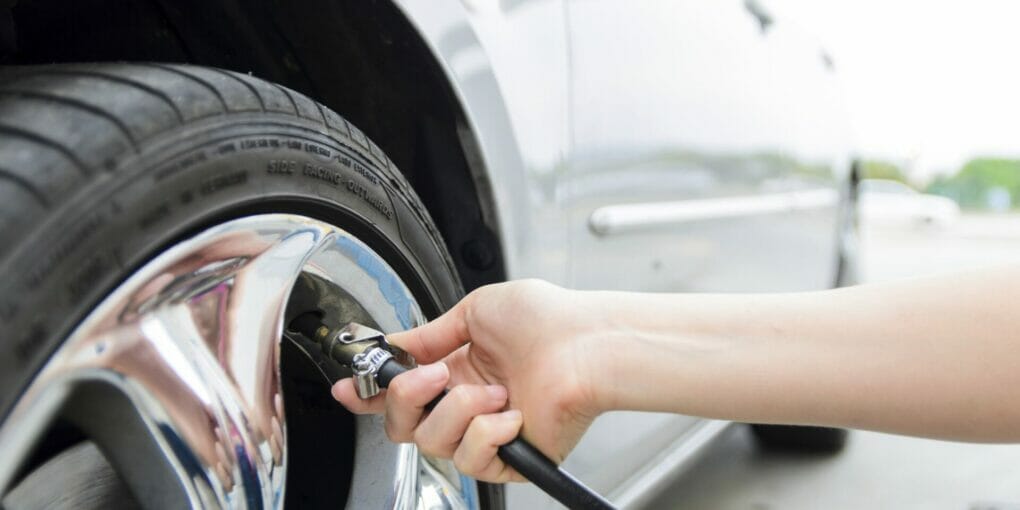
That sinking feeling when you realize the steering wheel feels… different. The car doesn't quite respond the way it should, especially as the temperature dips. It’s often the first sign that your tires are telling you something important about the changing seasons. Winter driving presents unique challenges, and one of the most critical factors for safe and reliable travel is maintaining proper tire pressure.
Why worry about tire pressure in the winter, you might ask? Well, underinflated tires significantly compromise your vehicle's handling, braking performance, and fuel efficiency. In slippery conditions, this can be the difference between a controlled stop and a near miss – or worse. More importantly, consistently checking and adjusting your tire pressure during the winter months gives you the peace of mind knowing you're doing everything you can to ensure your safety and the safety of others on the road. Regular maintenance translates to confidence behind the wheel, regardless of the weather conditions. Think of it as a proactive investment in your winter driving experience.
One simple habit to adopt: Make it a point to check your tire pressure every time you fill up your gas tank during the winter. This small act can provide early warning signs of slow leaks and ensure your tires are always optimized for cold-weather performance.
The Cold Truth About Tire Pressure
Air contracts when it gets cold. That’s basic science, and it applies directly to your tires. For every 10-degree (Fahrenheit) drop in temperature, your tires lose approximately 1 PSI (pounds per square inch) of pressure. This means that if your tires were perfectly inflated at 70 degrees Fahrenheit, and the temperature drops to 30 degrees Fahrenheit, you could be running on tires that are 4 PSI underinflated! It may not sound like much, but that difference can significantly affect your car's handling and stopping distance, particularly on icy or snowy roads. Underinflated tires also increase the risk of tire failure, like a blowout, which is something you definitely want to avoid in freezing conditions. This makes understanding and managing tire pressure a core element of cold weather car tips.
How Often Should You Actually Check?
The answer is: more often than you think! While the general recommendation is to check your tire pressure at least once a month, winter driving necessitates a more vigilant approach. Aim to check your tire pressure at least every other week, or even weekly if you experience significant temperature fluctuations. Consistency is key. Consider setting a recurring reminder on your phone or adding it to your regular pre-drive checklist. Don't just rely on your car's TPMS (Tire Pressure Monitoring System). While TPMS is a valuable safety feature, it typically only alerts you when your tire pressure is significantly low – often below the recommended minimum. By that point, you've already compromised your handling and fuel efficiency. Manually checking your tire pressure gives you a more accurate reading and allows you to make proactive adjustments.
People Also Ask:
What temp is too cold for my car?
There isn't one specific temperature that's "too cold," but temperatures consistently below freezing (32 degrees Fahrenheit or 0 degrees Celsius) can start to impact various components of your car. This includes reduced tire pressure, thicker engine oil (making it harder to start), and a weaker battery. Pay close attention to your car's performance during these periods and take preventative measures like using a block heater and ensuring your battery is properly maintained.
The Right Way to Check Your Tire Pressure
Knowing how to check your tire pressure accurately is just as important as knowinghow oftento check. Follow these simple steps for the most reliable reading:
1.Use a reliable tire pressure gauge: Invest in a good-quality digital or analog tire pressure gauge. These are relatively inexpensive and readily available at most auto parts stores. Avoid relying on the gauges at gas stations, as they can often be inaccurate.
2.Check your tires when they're cold: Ideally, check your tire pressure before you drive, or at least three hours after your car has been parked. Driving warms up the tires and increases the air pressure, giving you an inaccurate reading.
3.Locate the recommended tire pressure: This information can usually be found on a sticker located on the driver's side doorjamb or in your owner's manual. This is therecommendedpressure, not the maximum pressure listed on the tire itself. The number on the tire represents the tire's maximum safe inflation limit, not the ideal pressure for your specific vehicle.
4.Remove the valve cap: Unscrew the valve cap from the tire valve stem and store it in a safe place so you don't lose it.
5.Press the gauge firmly onto the valve stem: Make sure you get a good seal to prevent air from escaping. The gauge will display the current tire pressure.
6.Add or release air as needed: If the pressure is too low, use an air compressor to add air until you reach the recommended pressure. If the pressure is too high, use the valve on the gauge to release air.
7.Recheck the pressure: After adjusting the pressure, recheck it with the gauge to ensure you've reached the correct level.
8.Replace the valve cap: Once you're satisfied with the pressure, replace the valve cap securely.
9.Repeat for all tires: Don't forget to check the pressure in all four tires, including the spare tire, if you have one.
Beyond Tire Pressure: A Holistic Approach to Winter Driving Safety
While maintaining proper tire pressure is crucial, it's just one piece of the winter driving puzzle. A comprehensive approach to winter preparation involves several key elements: Winter Tires: Consider investing in winter tires if you live in an area with frequent snow or ice. Winter tires have a special tread pattern and rubber compound that provide significantly better grip in cold and slippery conditions compared to all-season tires. Battery Health: Cold weather can put a strain on your car's battery. Have your battery tested to ensure it's in good condition. If it's more than three years old, consider replacing it. Battery failure in cold weather is a common cause of breakdowns. Fluid Levels: Check and top off all your fluids, including engine oil, coolant, brake fluid, and windshield washer fluid. Use a winter-specific windshield washer fluid that won't freeze. Visibility: Ensure your headlights, taillights, and brake lights are working properly. Clean your windshield and mirrors regularly to maintain good visibility. Emergency Roadside Kit: Prepare an emergency roadside kit that includes items such as a flashlight, jumper cables, a first-aid kit, a blanket, a shovel, sand or kitty litter for traction, and some snacks and water. Black Ice Awareness: Be extra cautious when driving on bridges and overpasses, as these areas are more prone to black ice formation. Black ice is a thin, transparent layer of ice that can be extremely difficult to see. Reduce your speed and avoid sudden braking or steering maneuvers.
People Also Ask:
Do I need snow tires in mild winters?
It depends on your definition of mild.Even in winters with infrequent heavy snow, temperatures consistently below 45 degrees Fahrenheit can significantly reduce the performance of all-season tires. If you experience regular freezing temperatures, even without heavy snowfall, winter tires can provide a noticeable improvement in grip and braking performance. Consider your local climate and driving conditions when making your decision.
What should be in my winter emergency kit?
A well-stocked winter emergency kit is essential for safe winter driving. Here's a checklist of items to include:
Jumper cables
Flashlight with extra batteries
First-aid kit
Warm blanket or sleeping bag
Shovel
Ice scraper
Sand or kitty litter for traction
Warning flares or reflective triangles
Non-perishable snacks and water
Cell phone charger
Gloves, hat, and scarf
Basic tools (wrench, pliers, screwdriver)
Staying Safe on the Road
Driving in winter requires more than just checking your tires; it's about being prepared, aware, and adjusting your driving habits to suit the conditions. Increase your following distance, drive at a slower speed, and avoid sudden braking or steering maneuvers. Pay attention to weather forecasts and road conditions before you head out. If conditions are particularly treacherous, consider postponing your trip.
People Also Ask:
How does winter weather affect fuel efficiency?
Winter weather can significantly reduce your fuel efficiency due to several factors: Cold temperatures: Cold air is denser, which increases drag on your vehicle. Tire pressure: Underinflated tires increase rolling resistance. Engine warm-up: Engines take longer to reach their optimal operating temperature in cold weather, which can result in higher fuel consumption. Idling: Idling to warm up your car consumes fuel without any forward movement. Winter blends of gasoline: Refineries often switch to winter blends of gasoline, which can have a slightly lower energy content. Use of four-wheel drive: Using four-wheel drive can increase fuel consumption.
By being mindful of these factors and taking steps to mitigate their impact, you can help maintain your fuel efficiency during the winter months.
Taking these extra precautions and making small adjustments to your routine will help ensure safer and more confident driving throughout the winter.
Don't let the winter weather intimidate you. By taking a proactive approach to vehicle maintenance and practicing safe driving habits, you can navigate the season with confidence and peace of mind. Checking your tire pressure regularly is a simple yet powerful step you can take to protect yourself and your loved ones on the road. Stay safe and drive smart this winter!